What to Clean and What You Should Not Clean with a Steam Cleaner
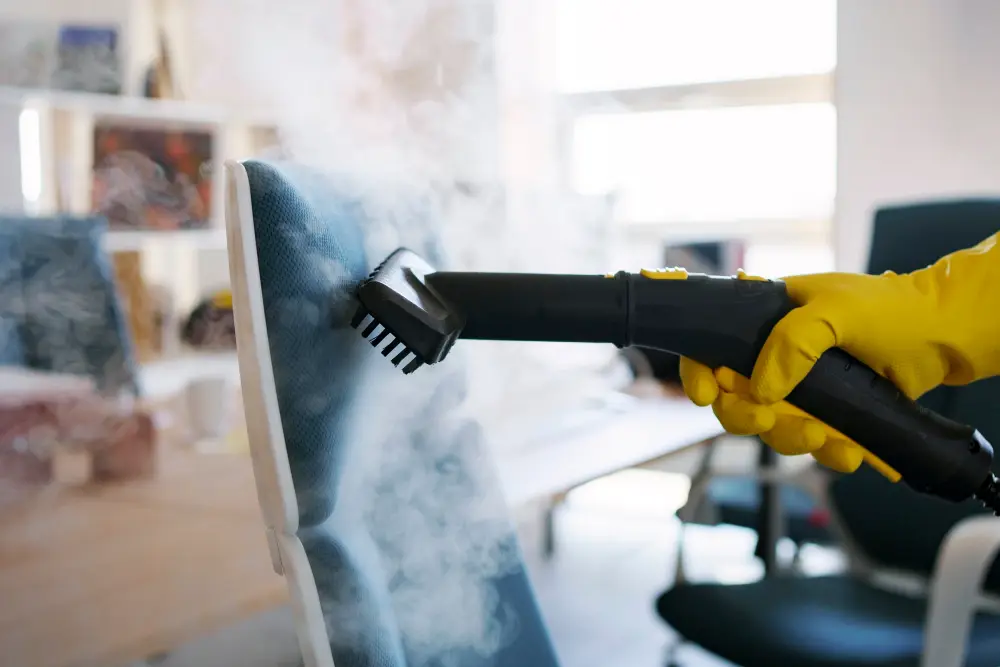
A steam cleaner is a powerful tool that can be used to clean sealed hard surfaces, bathroom fixtures, and some fabrics, but using it on the wrong material can cause damage that may be difficult or expensive to repair.
Porous, heat-sensitive, or water-absorbing materials are not suitable for steam cleaning. Surfaces such as unsealed wood, painted walls, wallpaper, delicate fabrics, leather, electronics, and cold glass generally require other cleaning methods, while laminate flooring should only be steam cleaned if the flooring manufacturer allows it.
Why Steam Damages Certain Surfaces
Steam can damage certain surfaces because its high heat and moisture can soften adhesives and coatings, penetrate moisture-sensitive materials, and affect delicate fibers or finishes.
- Heat Can Affect Adhesives and Coatings: High temperatures can soften or loosen certain adhesives, paints, waxes, furniture polishes, and plastic coatings. For example, steam can loosen glued edge bands and damage some painted or coated surfaces.
- Moisture Can Damage Absorbent Materials: When steam condenses on a cooler surface, it leaves behind moisture. If that moisture penetrates porous or moisture-sensitive materials, it can contribute to swelling, warping, loss of adhesive strength, or mold growth in materials where moisture becomes trapped.
- Some Materials Can Change Color or Shape: Heat and moisture can affect certain textiles and other sensitive materials. Steam-cleaner manufacturers recommend testing a hidden area first and allowing it to dry before checking for changes in color or shape.
What You Should Not Clean with a Steam Cleaner
Steam cleaners should not be used to clean certain floors and surfaces, painted walls and wallpaper, fabrics and leather, or electronics and very cold glass.
1. Floors and Surfaces
Steam can damage some flooring and finished surfaces, including:
- Unsealed Wood and Parquet: Using a steam cleaner directly on unsealed wood and parquet may allow moisture to enter the wood and contribute to swelling, warping, and other moisture-related damage.
- Laminate Flooring: Avoid steam cleaning laminate flooring unless the flooring manufacturer specifically states that it is safe. Heat and moisture can damage the layers or cause swelling, lifting, or separation in products that are not designed to withstand steam.
- Waxed or Polished Surfaces: Avoid directing steam onto waxed or polished surfaces, as heat and moisture can loosen wax, furniture polish, and some protective coatings, potentially leaving marks or affecting the finish.
2. Painted Walls and Wallpaper
Steam can damage painted surfaces and loosen wallpaper adhesive, making both unsuitable for direct steam cleaning.
- Painted Walls: Directing steam cleaning at painted walls can loosen or damage the paint.
- Wallpaper: Avoid steam cleaning wallpaper you want to keep intact because the heat and moisture can soften the adhesive, causing the paper to loosen or peel.
3. Fabrics and Leather
Some fabrics and animal-based materials can be damaged or have their appearance altered by direct steam.
- Delicate Fabrics: Avoid steam cleaning delicate fabrics such as silk, velvet, and velour. High heat can damage delicate fibers, and moisture may cause shrinkage, color changes, or changes to the fabric’s texture and pile.
- Leather and Suede: Heat can dry out leather by affecting its natural oils, making it stiff and more prone to cracking. Moisture can also alter suede’s texture and leave water stains.
- Memory Foam: When steam cleaning memory foam, heat may affect the foam's structure. Moisture can penetrate the absorbent material and remain trapped, creating conditions for mold and mildew growth.
4. Electronics and Glass
Steam can create safety or damage risks around electrical components and very cold glass.
- Electronics and Electrical Outlets: Keep steam away from electrical outlets, switches, exposed wiring, and other open electrical points. Moisture in these areas can cause malfunction or electric shock.
- Cold Glass: Avoid applying hot steam directly to very cold glass. The sudden temperature change can create thermal stress and cause the glass to crack.
What You Can Clean with a Steam Cleaner
Steam cleaners can be used to clean many hard surfaces, including:
- Grout Lines Between Tiles: Steam can loosen dirt and buildup in narrow grout lines, making stubborn residue easier to remove with a brush or cloth.
- Ceramic and Porcelain Tile: Compatible ceramic and porcelain tile can be cleaned with steam to loosen dirt, grime, and other surface buildup.
- Oven Interiors and Stainless Steel Appliances: Steam can loosen grease and baked-on food residue from compatible oven interiors and stainless steel surfaces, making the buildup easier to wipe away.
- Bathroom Fixtures: Steam can help loosen soap scum, grime, and mineral buildup from compatible bathroom fixtures such as toilets, sinks, and shower surrounds.
Get Your Home Professionally Cleaned with Kleaner
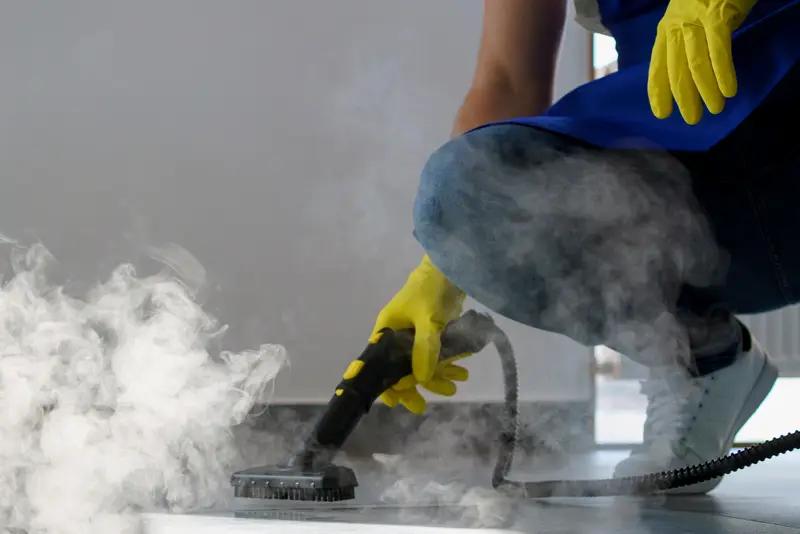
If you are not sure which surfaces in your home are suitable for steam cleaning, it is better to get your house professionally cleaned. This can save you the time and uncertainty of deciding which cleaning method to use for different areas of your home.
Kleaner provides house cleaning services where we clean key areas around the home, including bedrooms, bathrooms, kitchens, living areas, and other common spaces. We also offer full house deep cleaning services for a more thorough clean throughout the home.
Get in touch with Kleaner today to book a professional home cleaning service.