How to Clean Natural Stone Countertops: A Guide to Preserving Luxury Surfaces

Natural stone countertops like marble, granite, and limestone are porous and chemically reactive, which means they respond very differently to cleaning products than ceramic or engineered surfaces do. For instance, using acidic products, abrasive cleaners, or essential oil-based sprays can etch or permanently dull the material's surface.
From using a pH-neutral soap to applying safe, targeted treatments such as hydrogen peroxide or a baking soda poultice, there are several considerations to keep in mind when cleaning natural stone safely.
Daily Maintenance: How to Clean Countertops Without Damage
A consistent cleaning routine is the most reliable way to keep natural stone surfaces in good condition over the long term. The key is also to keep things simple: a mild solution, the right cloth, and the habit of drying immediately after every cleaning.
These steps form the foundation of safe daily care:
- Mix a Mild Cleaning Solution: Add a few drops of pH-neutral dish soap to warm water in a spray bottle or basin.
- Choose the Right Tools: A soft microfibre cloth or non-abrasive sponge is all you need. Set aside scouring pads, steel wool, and anything labeled 'heavy-duty scrub', as these will scratch and dull a polished surface on contact.
- Dry the Surface Immediately: Water left sitting on natural stone leads to spots, soap scum, and mineral deposits over time. So, wipe down with a clean, dry towel after every cleaning to prevent most surface-level damage before it starts.
What Not to Use on Stone Countertops?
Natural stone is reactive enough that some of the most popular household cleaners can damage the surface. Even products marketed as safe or natural may not be ideal for the material.
Knowing what to avoid is just as important as knowing what to use, and the following are most likely to cause problems on your countertops:
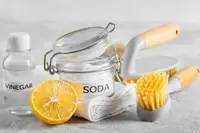
- Vinegar, Lemon Juice, and Lime: These are acidic and will chemically etch marble and limestone on contact, leaving dull, cloudy patches that no amount of polishing will reverse.
- Ammonia-Based Cleaners and Abrasive Degreasers: These strip away the protective sealant that keeps moisture and stains from penetrating the stone, leaving the surface more vulnerable after each use.
- Trendy 'Eco-Friendly' Cleaners with Essential Oils: Plant-based sprays containing heavy oils may seem like a cautious choice, but those oils seep into porous stone and cause gradual darkening that accumulates over time.
- Rough or Scrubby Sponges: Even a sponge marketed as 'natural' will scratch and dull a polished finish if it has a scrub side. Soft cloths are the only safe option for stone surfaces.
Advanced Care: Stain Removal and Long-Term Protection
When a stain does get through, acting quickly and choosing the correct method for the stain type gives the best chance of full removal. Using the wrong treatment can push the stain deeper into the pores of the natural stone, so it is worth identifying what you are dealing with before reaching for any cleaning product.
Consider the following when dealing with or preventing stains:
- Oil-Based Stains (Cooking Grease, Cosmetics, Butter): Apply a thick paste of baking soda and water directly to the stain, cover with plastic wrap and leave for 24 hours. As the paste dries, it draws the oil out of the stone's pores.
- Organic Stains (Coffee, Wine, Fruit Juice): Blot the area carefully with a small amount of 3% hydrogen peroxide, working from the outer edge of the stain inward to avoid spreading it further across the surface.
- Annual Sealing: A high-quality penetrating sealer creates a moisture barrier, reducing future staining. Most stone countertops need resealing once a year, though surfaces in heavy daily use may need attention more frequently.
The Professional Advantage for Natural Stone
Granite, marble, and limestone each behave differently in terms of porosity and chemical sensitivity, and what is safe for one stone type can cause lasting damage to another. Also, the differences are not always visible to the untrained eye.
So, if you don’t know how to properly clean natural stone countertops yet want to protect your investment, opting for consistent professional care can be the practical choice.
At Kleaner, we have a team of extensively trained professional cleaners who understand how to match the right cleaning supplies and techniques to each specific surface. We also use solutions formulated for natural stone and apply them correctly for the material at hand.
What’s more, we can identify early signs of sealer wear before visible damage sets in, advising you early on to ensure that your natural stone countertops have adequate protection.
Your Stone Countertops Deserve Better Than Guesswork
Caring for natural stone countertops is a balance between consistent daily habits and professional attention for tasks that carry more risk. The daily routine is manageable once the right products and tools are in place, but deep cleaning, tile stain treatment, and sealing are areas where professional experience makes a difference.
Let Kleaner's home deep cleaning services take the stress out of stone care while you focus on your career and family. Book a trusted regular or part-time house cleaner today and keep your marble, granite, or limestone surfaces looking exactly as they should.